
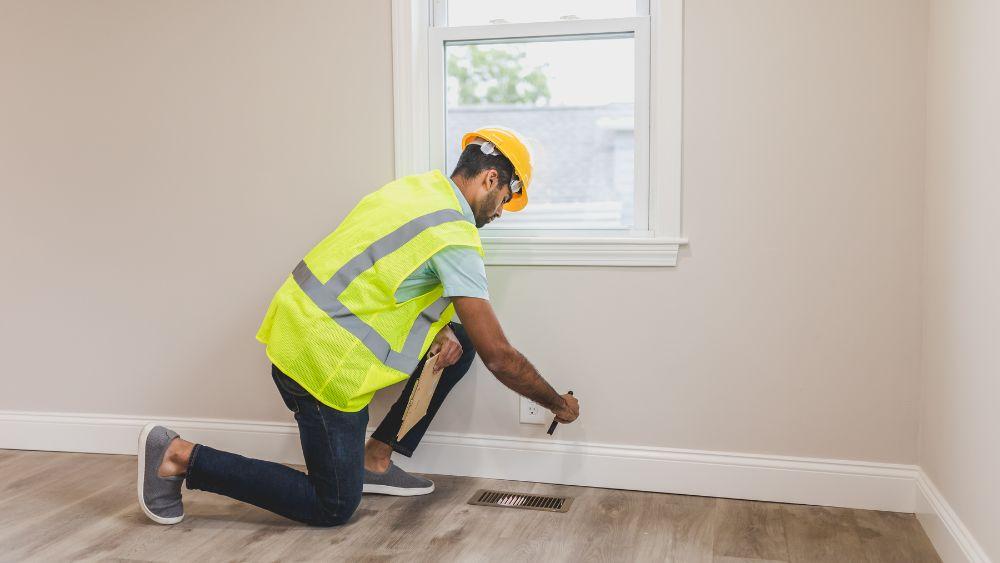
Buying a home in East Cobb or Marietta? During your home inspection, pay particular attention to the roof, foundation, drainage, HVAC system, plumbing, electrical components, and any evidence of moisture intrusion. These areas can affect a home’s safety, maintenance costs, and long-term condition.
A home inspection isn’t about finding a house with absolutely no imperfections. It’s about understanding what you’re buying so you can make an informed decision.
Why a Home Inspection Matters
It’s easy to fall in love with a beautiful kitchen, a spacious backyard, or a welcoming front porch. But some of the most important details of a home aren’t immediately visible during a showing.
A professional home inspection provides an independent assessment of accessible systems and components. It can help buyers identify potential repairs, understand future maintenance needs, and decide whether additional specialist evaluations are warranted.
In East Cobb and Marietta, homes vary widely in age, construction style, and renovation history. That makes a thoughtful inspection especially valuable.
1. Start With the Roof and Exterior
A roof is one of the home’s most important protective systems.
Ask your inspector to look for signs of damaged or missing shingles, flashing concerns, deteriorated exterior materials, and visible evidence of water intrusion.
Also consider how water moves around the property. Gutters, downspouts, grading, and drainage can all influence moisture conditions around the home.
Question to ask: Are there signs of an active problem, or is this something that should simply be monitored and maintained?
2. Pay Attention to the Foundation and Drainage
Not every crack indicates a serious structural issue. However, certain cracks, movement patterns, or moisture conditions may warrant further investigation.
Ask your inspector to explain what they observed, whether the issue appears cosmetic or potentially structural, and whether a qualified specialist should evaluate it.
For properties with basements or crawl spaces, moisture management deserves particular attention.
3. Understand the HVAC System
Georgia summers make heating and cooling performance an important part of homeownership.
During the inspection, discuss the system’s apparent condition, operation, maintenance history if available, and any concerns that might justify a licensed HVAC contractor’s evaluation.
The age of a system is useful information, but age alone doesn’t tell the full story.
Question to ask: Is the system functioning as intended today, and what maintenance or further evaluation would you recommend?
4. Look Beyond Cosmetic Updates
Fresh paint, new flooring, and updated fixtures can make a wonderful first impression. But they don’t necessarily tell you what’s happening behind the walls.
A home inspection should also consider accessible electrical components, plumbing fixtures, water heating equipment, ventilation, windows, doors, and other visible systems.
If a home has undergone renovations, ask what permits, warranties, or contractor documentation may be available.
A beautiful renovation is a bonus. Understanding the underlying condition is essential.
5. Don’t Overlook Moisture and Ventilation
Water intrusion can create expensive problems when left unaddressed.
Pay attention to stains, unusual odors, damp crawl spaces, plumbing leaks, and evidence of condensation.
Your inspector may recommend additional evaluation when observations suggest a concern outside the scope of a standard inspection.
Buyers may also want to discuss radon testing. The Environmental Protection Agency recommends testing homes for radon because elevated levels cannot be identified by sight or smell.
What Happens if the Inspector Finds Problems?
Almost every home inspection identifies something worth discussing.
The important question is not simply, “What did the inspector find?” It’s “What does this mean for my decision?”
I encourage buyers to separate findings into three practical categories:
- Safety or significant concerns: Issues that may require prompt attention or further professional evaluation.
- Repair and maintenance items: Components that need service, repair, or ongoing upkeep.
- Minor or cosmetic observations: Items that may be relatively straightforward to address.
Depending on the purchase agreement and timing, buyers may consider additional inspections, repair requests, other negotiated solutions, or whether to proceed. The available options depend on the contract.
Should Buyers Attend the Home Inspection?
When possible, I recommend that buyers attend at least the inspector’s walkthrough or summary.
This creates an opportunity to ask questions, understand how systems work, and learn which maintenance items deserve attention after closing.
An inspection report contains valuable details, but a conversation with the inspector can make those findings easier to understand.
The Bottom Line
A home inspection is an opportunity to replace uncertainty with useful information.
Whether you’re purchasing your first home in Marietta, relocating to East Cobb, or moving into a larger home, understanding its condition helps you plan for ownership with greater confidence.
Thinking about buying in East Cobb or Marietta?
I’m Heather Anderson with Ansley Real Estate | Christie’s International Real Estate. I help buyers evaluate properties, understand their options, and make thoughtful decisions throughout the buying process.
I’d love to help you find a home that fits your needs and navigate the details along the way.
Let’s connect and talk about your next move.


Leave a Reply